
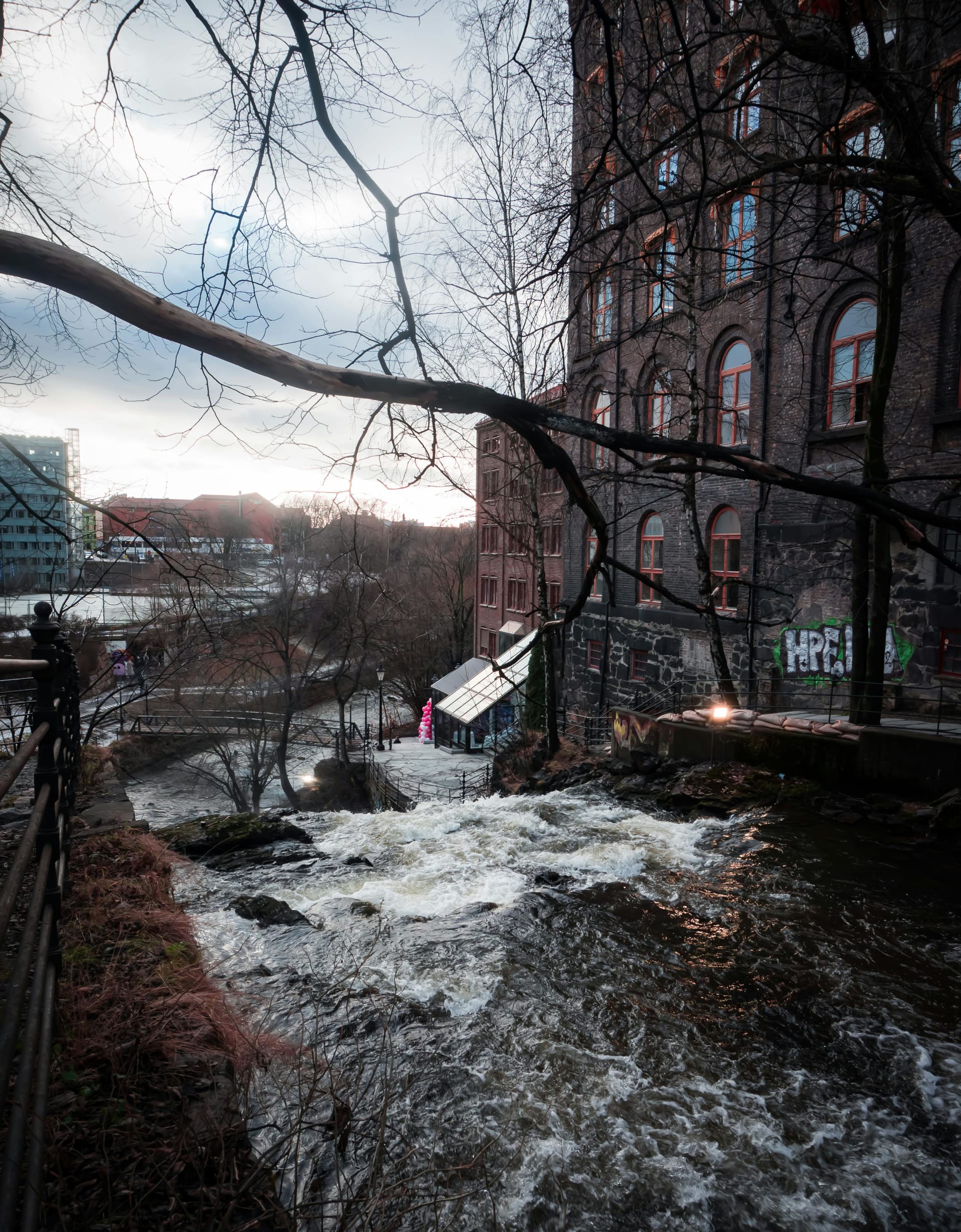
What Does a Flood Mean in Terms of a Disaster?
A flood, as defined by property and casualty insurance, occurs when water overflows and submerges normally dry land. This can happen due to heavy rainfall, storm surges, or snow and ice melting. Signs of a flood include widespread water accumulation, damage to structures and personal property from rising water levels, and disruptions in normal drainage systems. Floods can cause significant harm to homes, infrastructure, and the environment. While insurance policies may cover flood damage, it's important to check if you have specific flood insurance, as standard policies may not provide this coverage.
What Are the Possible Risks Associated with a Flood for My Home?
Flooding can cause extensive damage that often leads to displacement. Water intrusion can weaken the foundation and structural integrity of the house. Persistent dampness promotes mold growth, posing health risks and requiring significant remediation efforts. Floodwaters often carry contaminants, including sewage and hazardous materials, making the home unsafe. Electrical hazards arise when water and electricity mix, increasing the risk of fires. Additionally, personal belongings such as furniture, electronics, and other valuables can be destroyed, further complicating the return to normal living conditions.
How Do I Prepare My Home for a Flood?
For flood preparation, elevate utilities and electrical systems above potential flood levels. Install sump pumps and backflow valves in basements. Keep important documents in a waterproof container. Create barriers with sandbags around vulnerable areas. Know your local flood evacuation routes and have an emergency kit ready.
Additional Preparation Steps:
- Seal basement walls with waterproofing compounds.
- Keep gutters and drains clear of debris.
- Move valuable items to higher levels in your home.
- Have a battery-powered weather radio for updates.
- Ensure your insurance policy covers flood damage.
What Do I Do If My House Is Damaged by a Flood?
Floods can be devastating, leaving behind a trail of damage and uncertainty. As a homeowner, it's crucial to know the steps to take immediately after a flood to ensure your safety, manage the aftermath, and secure temporary housing. At Homads.com, we understand the challenges of displacement, and we’re here to help you navigate this difficult time.
Safety should be your first priority. Avoid wading through standing water, as it could be contaminated with sewage, chemicals, or dangerous debris. If it's safe to do so, turn off electricity, gas, and water to prevent further hazards, and wear waterproof boots, gloves, and masks to protect yourself from contamination and potential mold. Documenting the damage is essential for insurance claims. Take photos and videos of all damages extensively, and keep a record of all communication with your insurance company, including receipts for any immediate repairs or temporary accommodations.
Begin the cleanup process as soon as possible. Use pumps, wet vacuums, and fans to remove water and dry out your home quickly. Dispose of items that cannot be cleaned and disinfected, such as mattresses, carpets, and upholstered furniture. To prevent mold growth, use dehumidifiers and keep windows open for ventilation. Clean and disinfect all surfaces thoroughly.
Follow local news and weather reports to stay informed of further risks or available assistance. Look into FEMA financial assistance programs and other aid available for displaced homeowners. Keep all important documents, such as insurance policies, identification, and financial records, in a waterproof and easily accessible place.
Finding temporary housing is crucial if you find yourself displaced due to flood damage. Homads.com offers a wide range of mid-term rental solutions that provide you with a comfortable place to stay while your home is being repaired.
Explore your options and secure a rental that feels like home, even if it's just for a while. Visit Homads.com today and take the first step towards restoring normalcy in your life.
Remember, home is where you make it – even if it's just for a few months.