
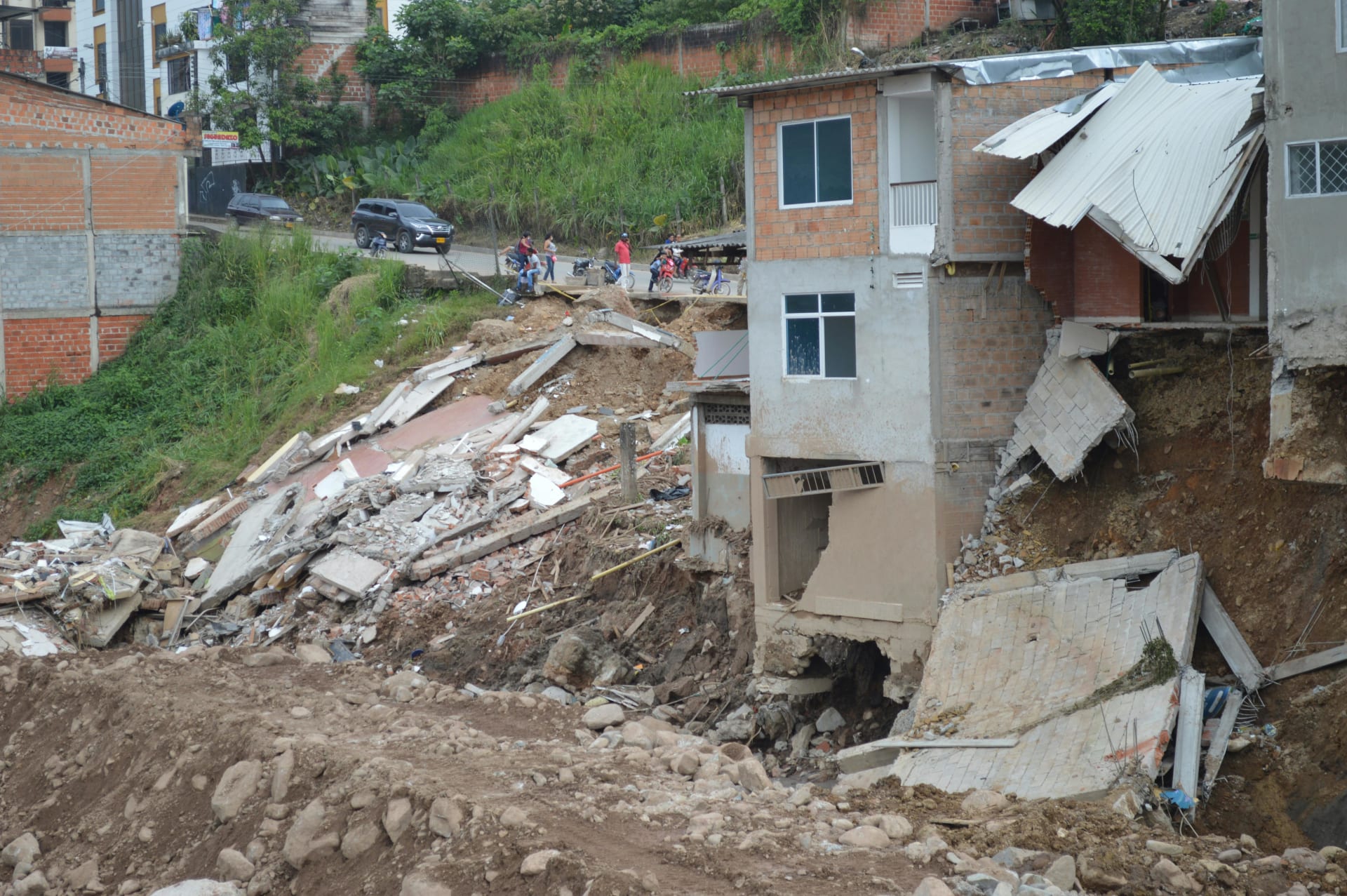
What Does an Earthquake Mean in Terms of a Disaster?
An earthquake is the shaking of the Earth's surface caused by the sudden release of energy from tectonic plate movements. Property and casualty insurance define earthquakes as seismic activities that result in ground shaking, which can cause structural damage to buildings and infrastructure. Identifying an earthquake involves feeling the ground shake, observing cracks in walls or foundations, and noting damage to structures. Insurance policies may cover earthquake damage, including structural repairs and replacement of damaged property, depending on the policy specifics and additional coverage options.
What Are the Possible Risks Associated with an Earthquake for My Home?
Earthquakes can inflict severe structural damage, leading to the need for temporary relocation. Foundation cracks undermine the stability of the home, while collapsed walls pose immediate safety hazards. Gas lines can rupture during an earthquake, leading to potential explosions and fires. Broken electrical lines add to the fire risk, making it unsafe to remain in the home. Water line breaks can cause flooding inside the house, adding to the damage. These combined factors often make it necessary to evacuate until comprehensive repairs can be completed to restore safety.
How Do I Prepare My Home for an Earthquake?
To prepare for an earthquake, secure heavy furniture, appliances, and fixtures to walls. Install safety latches on cabinets and drawers to prevent them from flying open. Create an emergency kit with food, water, medications, and first aid supplies. Develop a family communication plan and practice drop, cover, and hold on drills.
Additional Preparation Steps:
- Install flexible pipe fittings to prevent gas and water leaks.
- Anchor large appliances like refrigerators and water heaters.
- Store heavy and breakable items on lower shelves.
- Have a wrench ready to turn off gas and water supplies.
- Ensure your insurance policy covers earthquake damage.
What Do I Do If My House Is Damaged by an Earthquake?
Experiencing an earthquake can be incredibly stressful and disorienting, leaving homeowners with the daunting task of ensuring safety and finding temporary housing. Here are some essential tips to help you navigate this challenging period and secure a comfortable temporary home with Homads.com.
First and foremost, prioritize safety. Immediately after an earthquake, check for injuries and administer first aid if necessary. Be cautious of potential hazards such as gas leaks, damaged electrical wiring, and structural damage. If your home is unsafe, evacuate promptly and contact emergency services for assistance.
Once immediate safety concerns are addressed, assess the damage to your home. Documenting the damage with photos and detailed notes is crucial for insurance claims. Contact your insurance provider to report the damage and begin the claims process. Understanding your policy, particularly the Additional Living Expenses (ALE) coverage, can help you know what expenses will be covered while you are displaced.
Finding temporary housing is crucial if you are displaced due to earthquake damage. Homads.com offers a wide range of mid-term rental solutions that provide a comfortable place to stay while your home is being repaired.
Explore your options and secure a rental that feels like home, even if it's just for a while. Visit Homads.com today and take the first step towards restoring normalcy in your life.
Remember, home is where you make it – even if it's just for a few months.